Dr. Patrick R. Lennard
PhD, MSc, BBiotechMedRes(Hons) | AFHEA
Experienced immunology & infectious disease expert, using host defence peptides to fight antimicrobial resistance.
PhD, MSc, BBiotechMedRes(Hons) | AFHEA
Experienced immunology & infectious disease expert, using host defence peptides to fight antimicrobial resistance.

I'm Pat, an immunologist from Tasmania who is passionate about antimicrobial resistance (AMR), One Health, and comparative immunology. I have a longstanding interest in the preclinical development of novel therapeutics, and I'm looking to apply my comprehensive skillset to deliver meaningful change at the interface of scientific research, clinical trial management, and health policy.
In 2025, I submitted and defended my thesis titled "Empowering antibiotics using host defence peptide to fight antimicrobial resistance in epithelial and systemic infections", which is publicly available on the Edinburgh Research Archive. This project in Integrated One Health Solutions was a new 4-year programme established jointly between Edinburgh and Leiden.
In Leiden with Dr. Peter Nibbering and Prof. Pieter Hiemstra, I investigated the synergistic and prophylactic activity of our novel therapeutic, SAAP-148, in 3D tissue models of skin and airway infection. Following this, I advanced SAAP-148 in a novel in vivo model of bacterial infection and treatment in Edinburgh. This part of the project was supervised by Prof. Julia Dorin, Prof. Donald Davidson, Dr. Jenny Regan, and Dr. David Duneau.
I was awarded a studentship on the Erasmus Mundus Joint Master's Degree programme in Infectious Diseases and One Health, where I studied across Tours (France), Barcelona (Spain), and Edinburgh (UK), gaining a wealth of experience in bioinformatics, epidemiology, microbiology, and public health systems. For my research project, I worked in the lab of Prof. Xavier Donadeu and Dr. Cristina Esteves at The Roslin Institute. My thesis focused on the establishment of an immune profile of pig mesenchymal stem cells between cell cultures and disease states.
At my home state University of Tasmania, I graduated my Bachelor's degree with majors in Immunology and Neurobiology. Over the course of this degree, I was lucky to gain experience across research groups in neuroscience, stem cell biology, and cancer immunotherapy, the latter of which I joined for my Honours research project. Inspired by my time volunteering for the Tasmanian Devil Facial Tumour Disease Research Group, I continued my work under the supervision of Dr. Andy Flies, Prof. Bruce Lyons, and Prof. Greg Woods, receiving First Class Honours for characterising the structure and function of Fc receptors in the Tasmanian devil, vital to understanding the interactions between immune cells and antibodies.
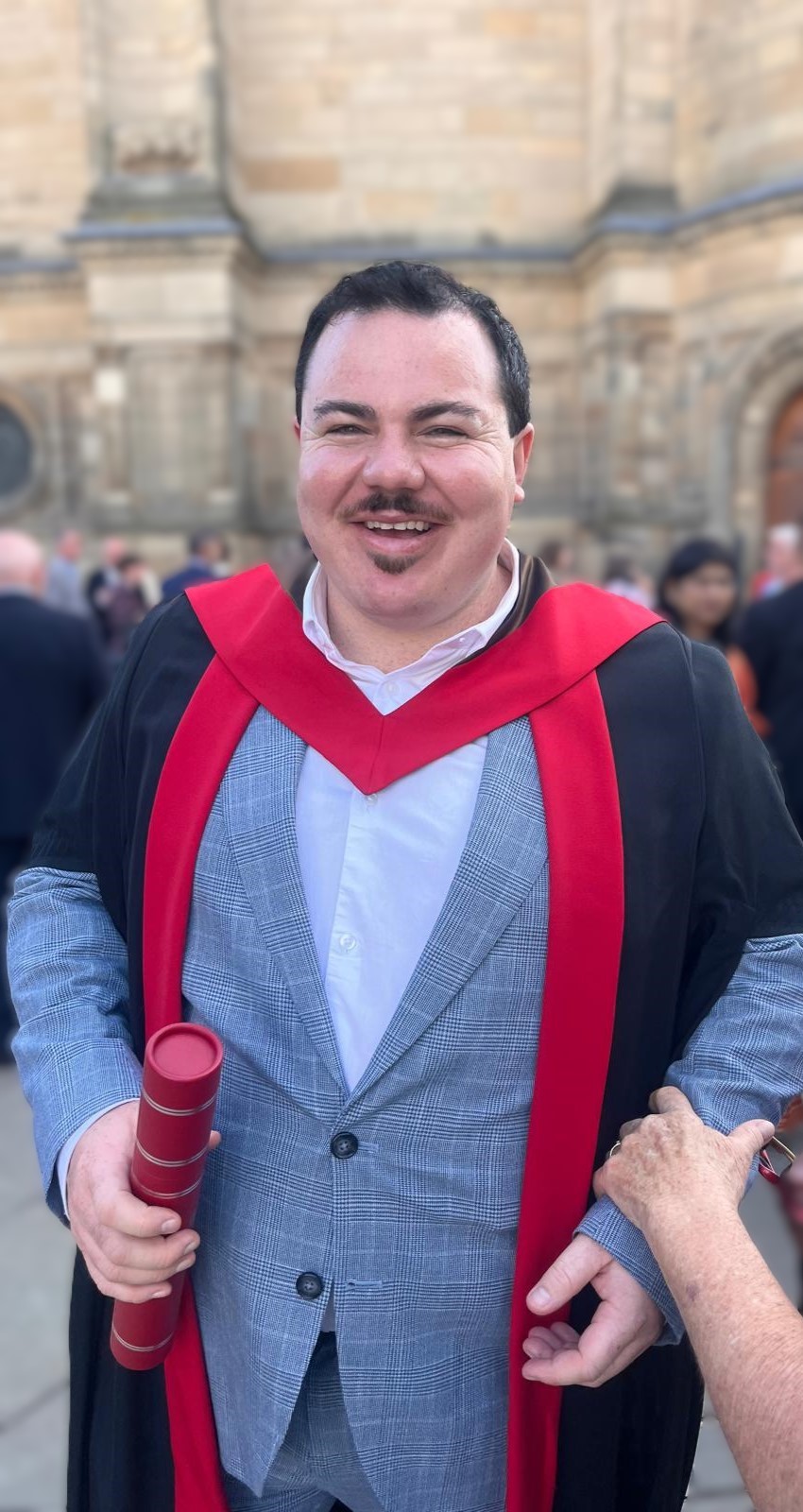
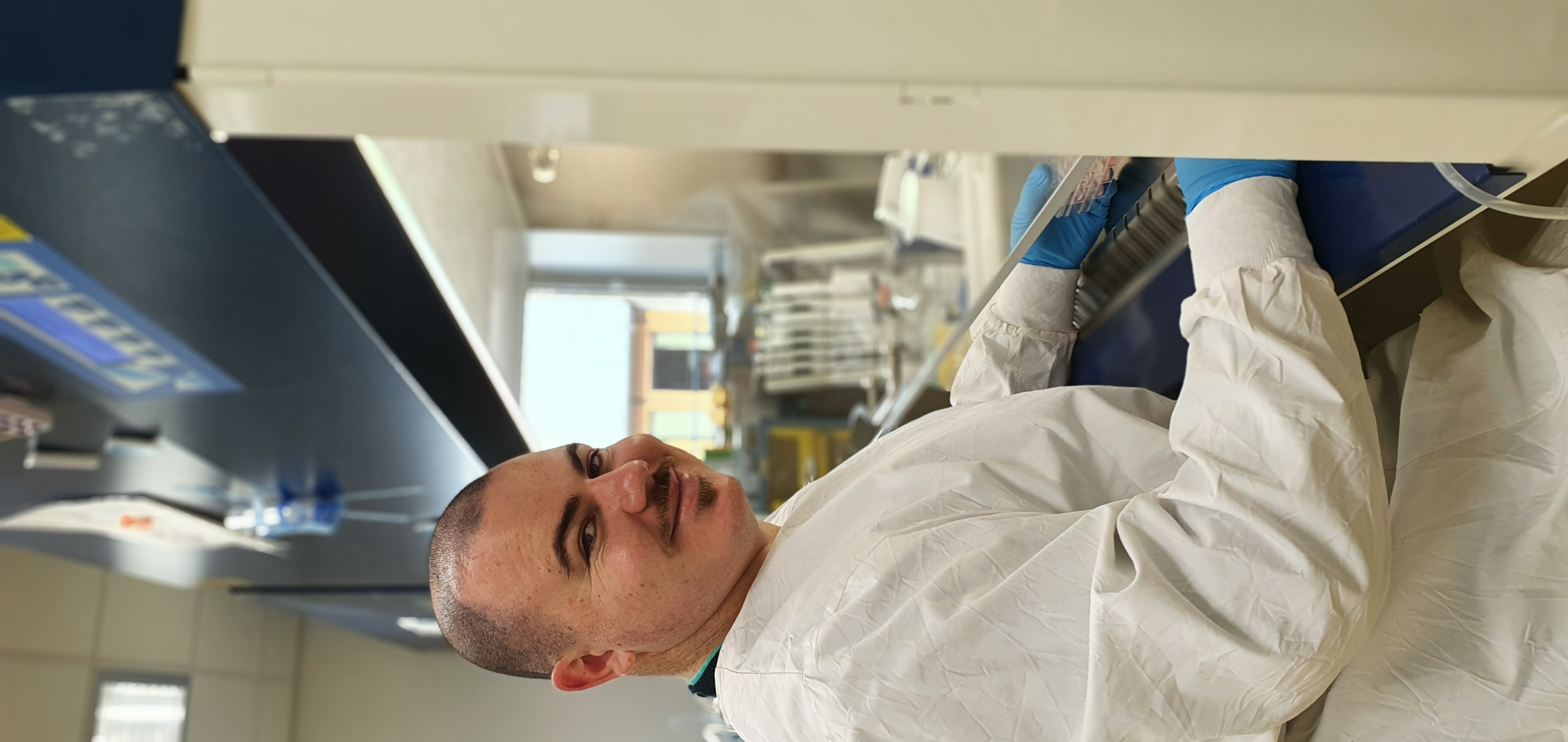
My recent PhD research was a collaboration between the University of Edinburgh and the Leiden University Medical Center. Leveraging the expertise of the Infectious Diseases and Pulmonology research groups in Leiden, I developed 3D tissue cultures of skin and lung epithelium to model AMR bacterial infection and treatment with our augmented host defence peptide, SAAP-148. I established the synergistic activities of SAAP-148 in combination with the novel antibiotic, halicin, in these tissue models and the capacity of SAAP-148 to act preventatively against AMR bacterial colonisation in skin tissue. In this process I streamlined and standardised the production of skin models to minimise waste and increase experimental throughput, enabling more collaborators to adopt the technology. The second half of my PhD was conducted in Edinburgh, where I pivoted my investigations from in vitro to in vivo, using the fruit fly (Drosophila melanogaster) as an intact living model of systemic bacterial infection. Using microinjection, individual flies can be accurately and reproducibly inoculated with AMR bacteria, and subsequently treated with candidate antibiotics. From this, I discovered that while the activities of SAAP-148 and halicin reduced the risk of fly death from infection, their potent activity and synergy in vitro was ultimately limited in vivo.
While working at The Roslin Institute, I worked to characterise the immune profile of pig mesenchymal stem cells and the influence of intrauterine growth restriction on this profile. Ultimately, the COVID-19 pandemic interrupted my project, and I systematically reviewed the antimicrobial and immunomodulatory factors expressed by mesenchymal stem cells across domestic and agricultural species, to ultimately inform interventions that bolster animal health and production.
From 2016-2018, I gained a wealth of experience with the Tasmanian Devil Facial Tumour Disease research group, at the Menzies Institute for Medical Research. I worked with Andy Flies to establish a pipeline for developing theranostic agents in non-model organisms. This involved the identification of immunological markers from the Tasmanian devil transcriptome, and the subsequent isolation, sequencing, expression and characterisation of these markers in mammalian CHO cells. Our expression system was designed to present markers at the cell surface, tagged with fluorescent proteins and detachable linkers, that could be used to (1) assess marker interactions within and between cells, and (2) isolate markers as immunogens for vaccine and antibody development. After we established the system's capabilities, I then utilised the pipeline for my Honours project, identifying the suite of Fc receptors in the Tasmanian devil. I identified several Fc receptors that were able to be expressed at the cell surface and bind to devil and human antibodies. These receptor-antibody interactions are crucial in the development of effective treatments against the Tasmanian devil's transmissible cancer.
Across my undergraduate studies, I also had the pleasure of working with Dr. Joy Rathjen and Dr. Katherine Southam, respectively investigating the difference in metabolic reactive oxygen species use between human stem cell states, and the stimulation of microglia into inflammatory populations.
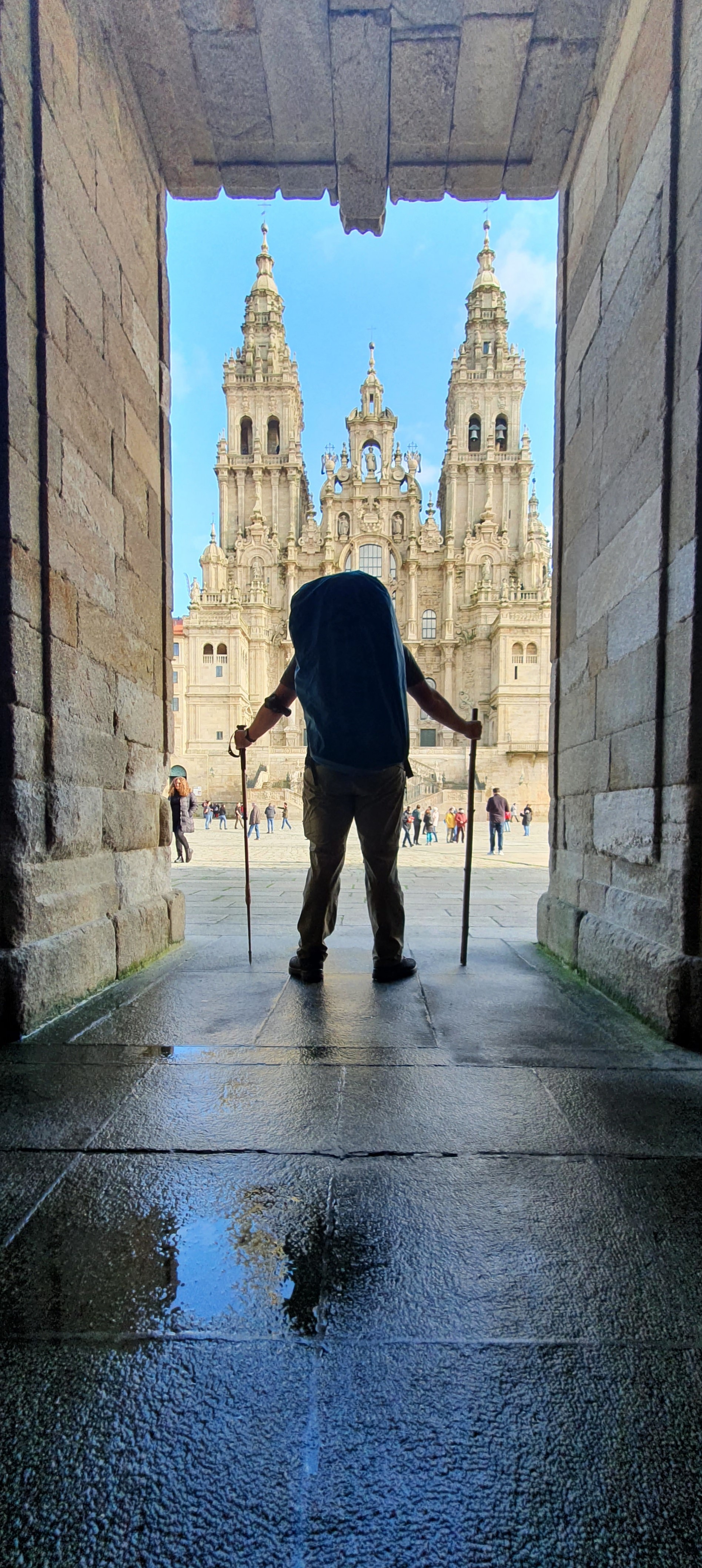
When I'm not found behind the microscope, I can be found on a long-distance run or hike, travelling and finessing my photography, or attempting some DIY around the house and laboratory. You can find some of my other programs and pursuits below.
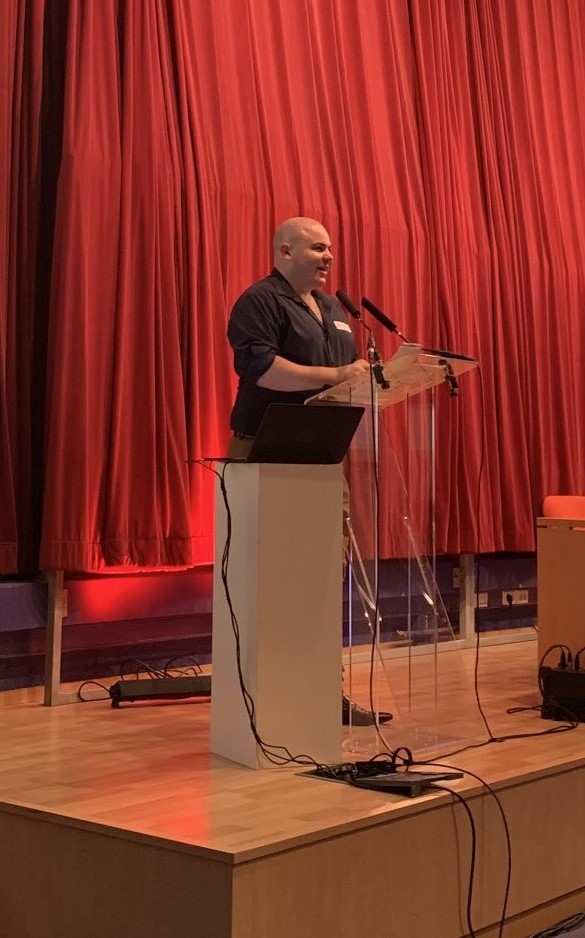
Currently in Melbourne, VIC, Australia
with bases in:
Edinburgh, Scotland, UK
Sydney, NSW, Australia
Hobart, TAS, Australia
p.r.lennard@gmail.com